
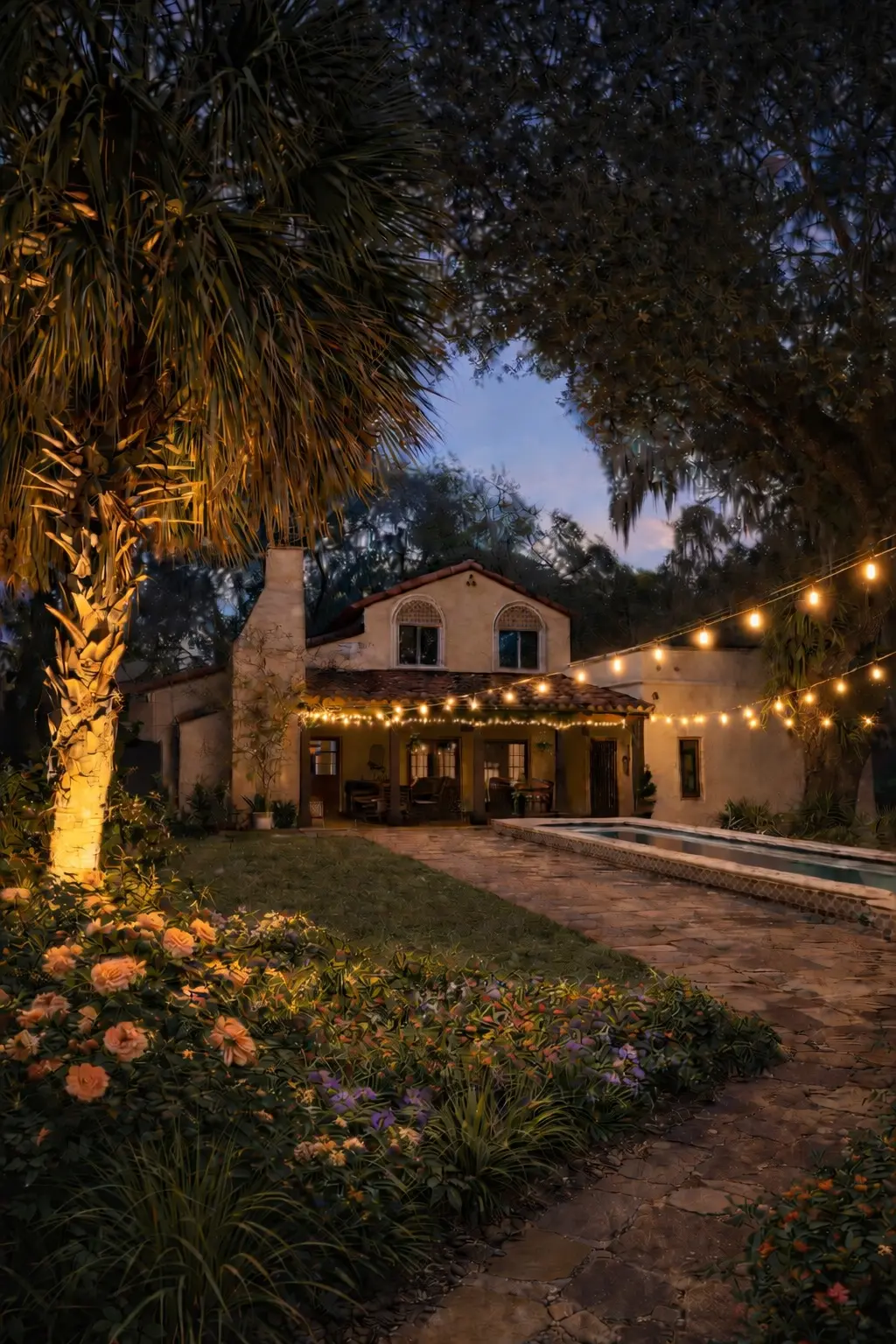
Ogni stagione ha la sua magia.
A month-by-month wedding guide
The Best Time of Year to Get Married in Central Florida
Compare weather patterns, daylight and guest-comfort considerations before choosing your Central Florida wedding date.
There is no single perfect month for every Central Florida wedding. One couple may value a cool outdoor ceremony, another may love a warm twilight dinner and another may prioritize date availability. The right choice comes from understanding the season honestly and planning the entire guest experience around it.
First, understand Central Florida’s two broad weather patterns
Central Florida does not follow the four-season pattern many out-of-state guests expect. The National Weather Service reports that rainfall increases dramatically in May, peaks in August and September, and drops rapidly toward November. November through April is generally drier, with average monthly rainfall holding steadier.
The official Atlantic hurricane season runs from June 1 through November 30, according to NOAA. That does not mean a storm will affect a wedding during those months. It means couples should understand postponement language, travel risks and who makes weather decisions before signing contracts.
Central Florida weddings, month by month
January
January can offer some of Central Florida’s coolest wedding weather and lower humidity. Cold fronts are possible, so outdoor celebrations still need a plan for a chilly evening. Sunset comes earlier than in spring or summer; schedule portraits and the ceremony around the available daylight.
February
February often suits couples who value outdoor comfort. Build the timeline backward from sunset, keep a light layer or wrap in mind for evening guests and confirm whether Valentine’s Day or holiday-weekend demand affects availability.
March
March brings warmer afternoons without the full intensity of summer. It is an appealing outdoor-wedding month, which can also make desirable Saturdays competitive. Spring break travel may affect hotels and flights for out-of-town guests.
April
April combines longer daylight with the latter part of Florida’s drier season. Consider shade for an afternoon ceremony, seasonal pollen for sensitive guests and a clear plan for any unexpected shower.
May
Heat, humidity and rainfall begin increasing during May. Earlier in the month may feel different from the final weeks. Later ceremonies, shade, hydration and a realistic weather plan become increasingly important.
June
June begins Atlantic hurricane season and sits within Central Florida’s wetter pattern. A late-afternoon storm does not automatically mean a lost day, but the timeline should allow flexibility. Prioritize guest cooling, hydration and a fully understood rain plan.
July
July offers deep greenery and long evenings, along with significant heat, humidity and frequent thunderstorms. Avoid asking guests to wait outdoors for long periods. A later ceremony can help, but couples should evaluate every reception space for real—not assumed—comfort.
August
August is typically among the hottest and wettest parts of the year. Build generous time into the schedule, choose attire with the climate in mind and discuss how portraits, cocktail hour and dinner will change if rain or lightning arrives.
September
September remains hot and rainy and falls within the climatologically active portion of Atlantic hurricane season. Couples can still plan beautiful celebrations, but travel, vendor and contract contingency discussions should happen well before the wedding week.
October
Early October may still behave like the wet season, while conditions often begin becoming drier around the middle of the month. Ask what the property typically looks like at your specific date and time rather than treating the entire month as one season.
November
November is often attractive for outdoor celebrations as humidity and rainfall ease. Hurricane season officially continues through November 30, so contracts and travel plans still deserve attention. Daylight shortens quickly after the time change.
December
December can bring comfortable afternoons and cool evenings. Holiday travel, earlier sunsets and occasional cold fronts are the main planning considerations. Warm lighting and an evening courtyard atmosphere can feel especially inviting.
What is the best season for an outdoor wedding?
For many couples, November through April offers the most comfortable starting point for an outdoor ceremony because the period is generally drier and less humid. January and February can bring cool evenings; March and April offer longer daylight and warmer afternoons; November and December combine a drier pattern with an earlier sunset.
Those advantages can make desirable dates more competitive. If your heart is set on a Saturday, begin touring early. If the date matters less than the experience, ask about Fridays, Sundays or other available days during the season you prefer.
Can a summer wedding still work?
Yes—but it should be designed for Central Florida rather than planned as though the weather will be mild. Consider a later ceremony, shorter outdoor intervals, accessible water, shade, breathable attire and enough flexibility for an afternoon storm to pass. Ask exactly where guests will wait and which spaces are air-conditioned, covered, open-air or naturally ventilated.
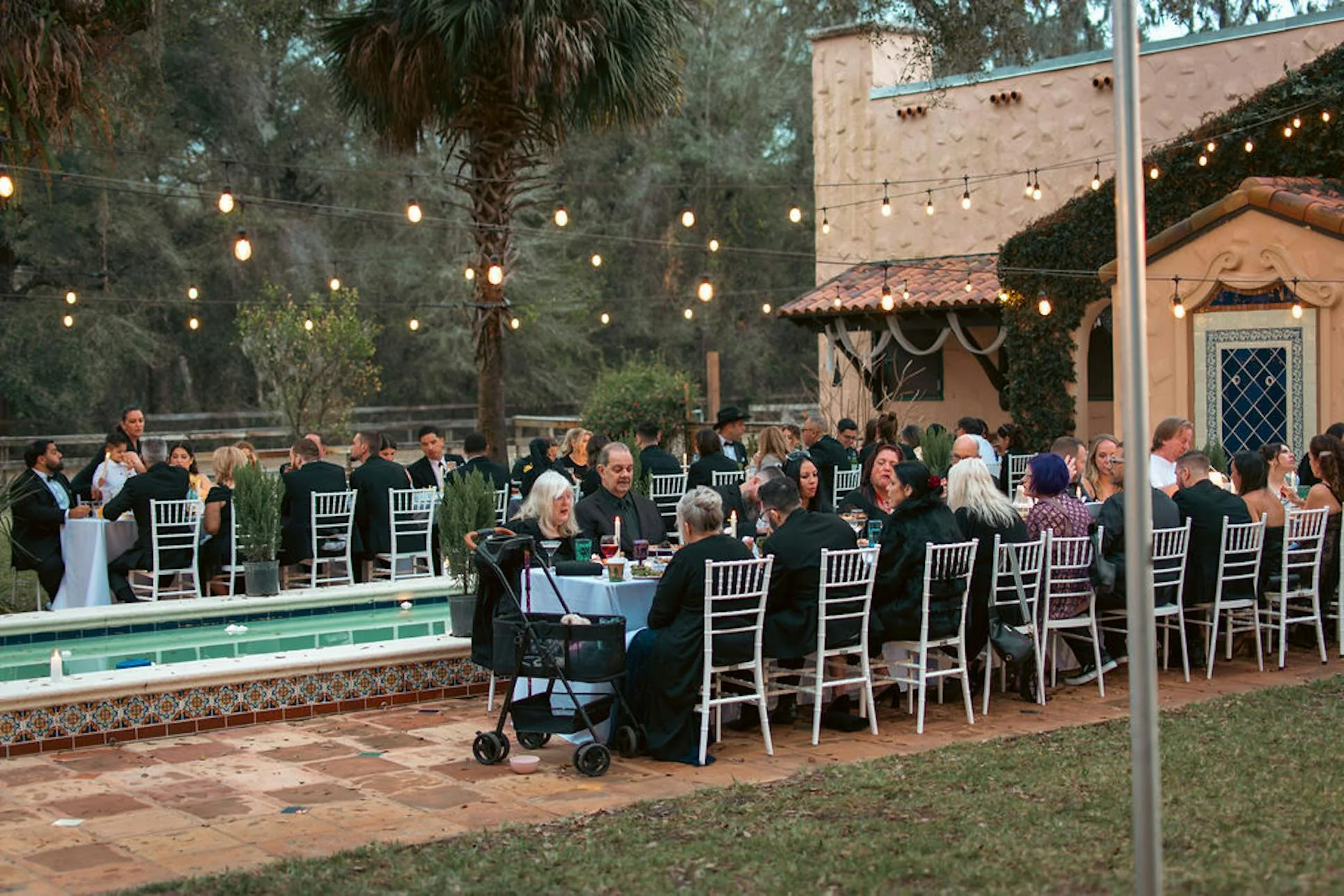
At Eterna Estate, the bridal suite and groom’s quarters provide private getting-ready spaces. The courtyard, ceremony setting, cocktail areas and restored stable each create a different experience. The stable is an open-air-style historic reception space and is not climate controlled. Jasmine will explain the property honestly during your tour so you can decide whether a particular month fits your people and plans.
Plan around sunset—not a generic ceremony time
Daylight changes substantially across the year. A ceremony time that creates glowing portraits in June may be too late in December. Once you have a possible date, check its expected sunset and ask your photographer how much portrait time they recommend before and after the ceremony.
A practical timeline works backward: sunset portraits, ceremony length, guest arrival and getting-ready photography. If dinner will be in the courtyard, also decide whether you want guests to experience the setting in daylight, twilight or beneath the lights.
Five questions to answer before choosing the date
- Will most of the celebration happen outdoors, under cover or inside?
- Are any important guests especially sensitive to heat, humidity or cool evenings?
- Do you want late daylight or an earlier candlelit atmosphere?
- How flexible are guests if weather affects flights or driving?
- What do the venue and vendor agreements say about severe weather and postponement?
Bring your preferred month, guest count and top priorities to a private tour. If traveling to Bushnell is difficult, Jasmine can walk the estate with you during a live virtual tour and answer questions in real time.
So, which month should you choose?
Choose the month whose tradeoffs you understand and are comfortable planning around. Late fall through spring often gives outdoor-focused couples the easiest weather starting point. Summer can work for couples who embrace a later timeline and prioritize guest comfort. No month removes every possibility of rain, heat or a cold front—an honest plan matters more than a promise of perfect weather.
Before reserving, compare the full-estate and micro-wedding experiences, visit the spaces and ask how your preferred month changes the recommended flow of the day.
Venite a trovarci.
Choose your season at Eterna
See the estate at the time your wedding could unfold.
Schedule a private appointment with Jasmine and talk through your month, guest count and vision—without pressure.
Schedule your tour